Use the sequence of your machines, rather than only their combined wattage, to shape the equipment brief.
Start with the production sequence
List motors, compressors, heaters, welding equipment and control systems. Identify which machines start together, which operate continuously and which can be delayed or shed.
Review transient demand
A motor start or a sudden process load can cause voltage and frequency changes. Share starting methods, drive details and acceptable tolerances so the generator and alternator can be assessed together.
Plan for serviceability
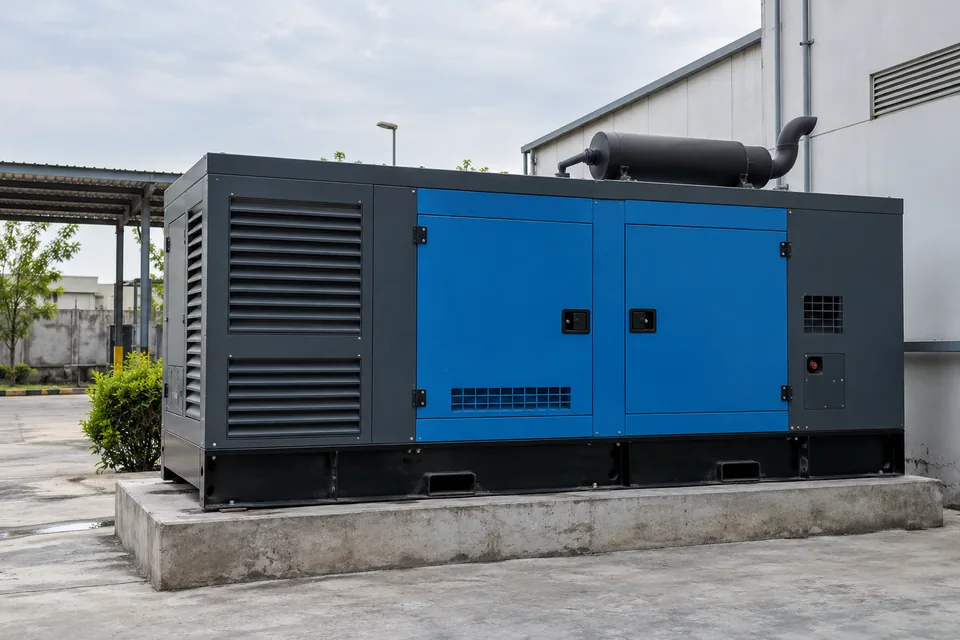
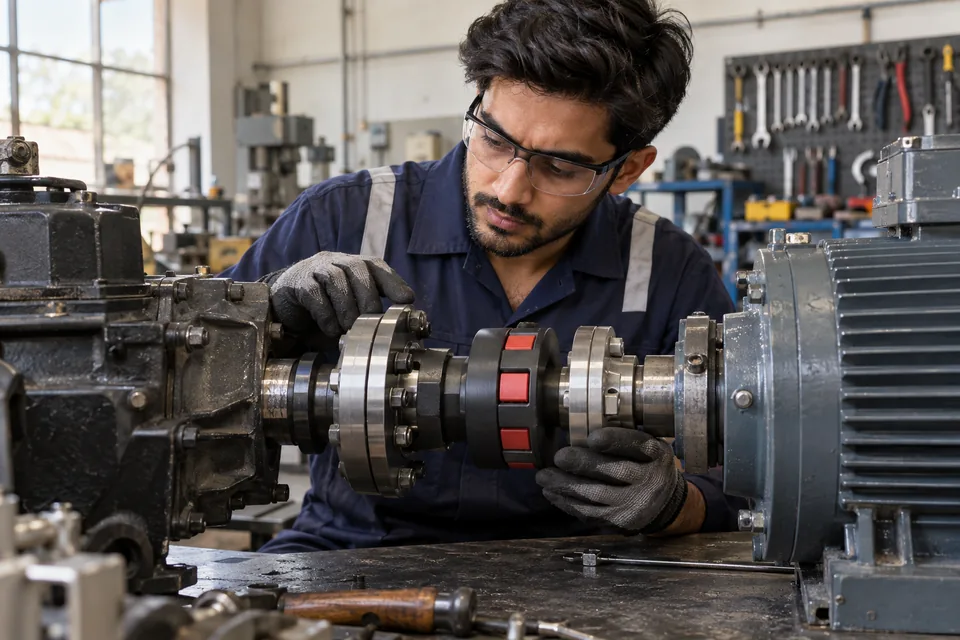
Allow for ventilation, exhaust, fuel arrangements, lifting access and isolation. Match canopies, coupling, controls and spares to the actual package rather than assuming an engine reference describes a complete generating set.
What to include in your enquiry
- Motor ratings, starters and drive information
- Largest load steps and production sequence
- Duty hours and ambient conditions
- Maintenance access and critical spare parts