
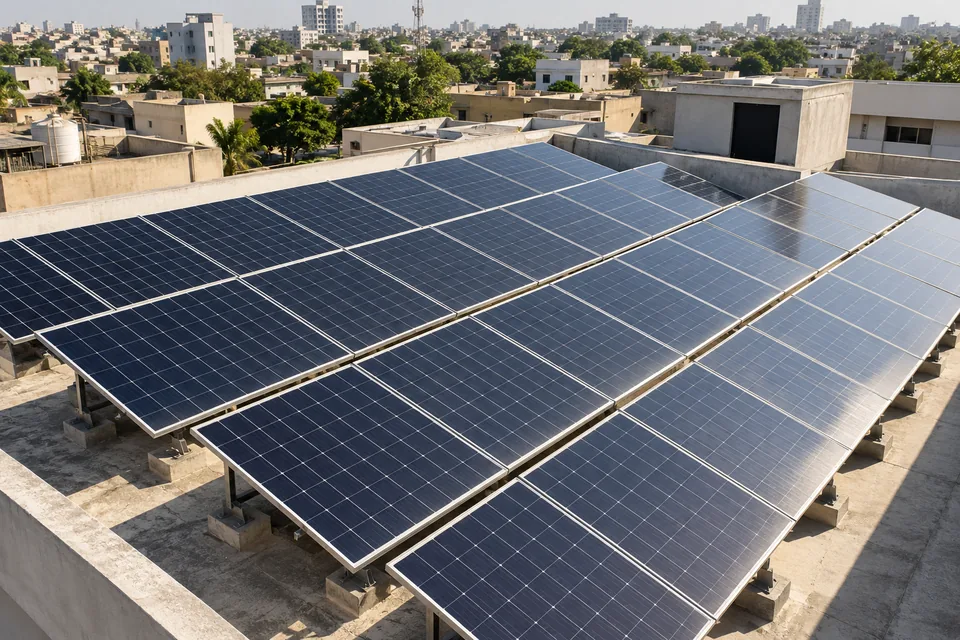
A useful solar brief describes when electricity is used, the available roof and the outcome you want. Panel brand and wattage are part of the decision; they do not describe the whole system.
Make your objective specific
Write down the problem you want solar to address. You may want to serve daytime demand, add storage later or include selected backup loads from the outset. These are related goals, but they are not interchangeable.
For a business, describe opening hours and the busiest periods. For a home, record which appliances run during daylight and which run mainly in the evening. A few notes about the daily routine give the supplier context that a bill total alone cannot provide.
Collect useful site information
Bring recent electricity bills and a simple description of the roof. Note visible shading, equipment already on the roof and areas that need to remain accessible. Photographs can help prepare a discussion, but they do not replace a site assessment.
Clarify whether the roof is owned or leased and who can approve installation work. Identify access limitations and expected working hours. These practical details belong in the initial brief so a proposed installation can be planned around the building.
Compare actual modules
Gateway’s supplied panel range includes LONGi, Yingli, Jinko and Canadian Solar. Ask for the exact model being offered rather than relying only on the brand name. Request its datasheet, dimensions, electrical characteristics and applicable manufacturer warranty documents.
Keep comparisons on the same basis. If one proposal uses a different module count or layout, record the difference and ask why. A larger wattage on an individual panel does not explain the complete installed design or its suitability for your roof.
Ask about the equipment between the roof and the load
A photovoltaic system includes more than panels. Inverters convert the panels’ DC electricity into AC electricity for use by the connected system. Mounting and the electrical design also form part of the installation. Batteries, when included, serve a separate storage role.
Ask the supplier to identify the proposed inverter and all major included equipment. If you have an existing inverter or battery, share its details before a design is developed. Avoid treating a brand-level compatibility statement as confirmation for your exact equipment.
Keep backup and grid arrangements explicit
Ask directly what happens during an outage. Solar generation alone is not a blanket promise of backup operation. The selected inverter, battery and supporting design determine which loads can be supported and how.
For any grid connection or export arrangement, confirm current requirements with the responsible utility and installer. This guide does not assume a particular tariff, approval outcome or payback period. Any financial estimate should show its inputs and explain what changes if those inputs change.
Agree the handover before work begins
Request a written scope covering supply, installation, testing and operating instructions. Ask which drawings, manuals and equipment records will be handed over. Define who addresses questions about the equipment and who addresses the installation work.
Your final enquiry should include the location, usage pattern, roof context, preferred panel brand and any storage or backup requirement. Use the related panel, inverter and installation pages to keep these conversations connected.
Explore the next step
Technical reading
The preparation checklists are editorial guidance. These manufacturer and technical references support the underlying equipment concepts.